
Bilawal Bhutto's Strategic Leadership in Pakistan-U.S. Relations
Editorial
By Junaid Qaiser
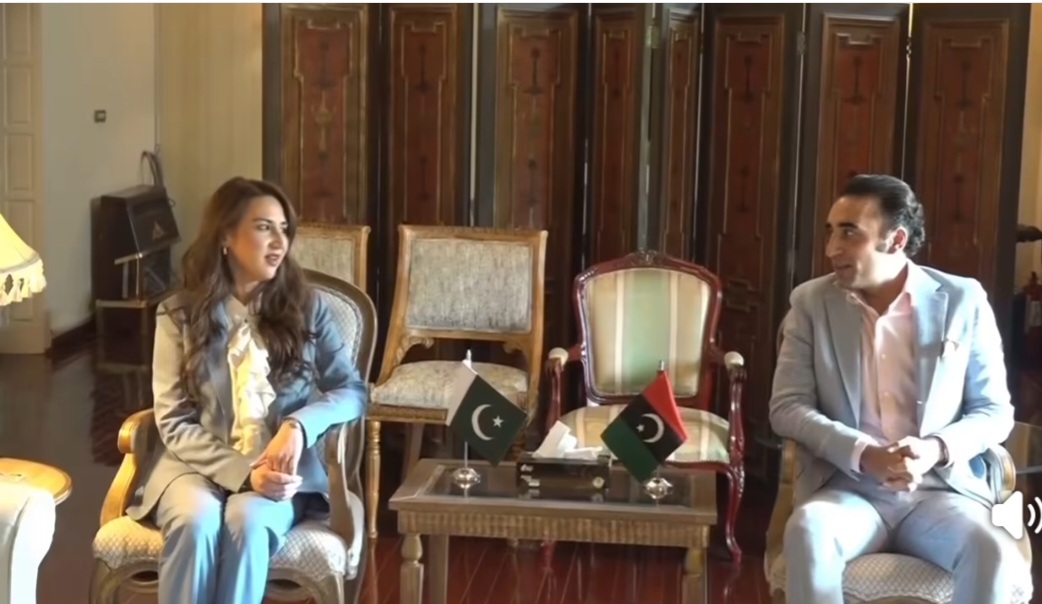
The recent meeting between Pakistan Peoples Party Chairman Bilawal Bhutto Zardari and U.S. Chargé d'Affaires Ms. Natalie Baker at Zardari House represents a pivotal moment in Pakistan-U.S. relations. This high-level diplomatic engagement underscores several crucial developments that deserve careful attention from policy observers and citizens alike.
The meeting's focus on strengthening bilateral relations and expanding cooperation signals a deliberate shift toward more constructive engagement between the two nations. Most notably, Chairman Bilawal's appreciation for recent U.S. diplomatic efforts in regional peace initiatives demonstrates Pakistan's recognition of America's evolving approach to international conflict resolution. The cordial atmosphere of the discussions and the mutual commitment to continued collaboration suggest that both countries are actively working to move beyond past tensions toward a more productive partnership.
President Donald Trump's peace policy has emerged as a defining feature of his administration's foreign policy approach, marking a significant departure from traditional diplomatic methods. Trump's peace agenda emphasizes direct negotiation, pragmatic deal-making, and results-oriented diplomacy rather than lengthy multilateral processes that often yield limited concrete outcomes.
The recent ceasefire agreement, which Chairman Bilawal specifically praised, exemplifies how Trump's approach to international mediation is gaining traction on the global stage. This peace-focused strategy prioritizes immediate conflict de-escalation and emphasizes the economic benefits of stability over prolonged military engagement. Trump's methodology involves leveraging America's economic influence and his personal diplomatic style to broker agreements that previous administrations might have approached through more conventional channels. The success of this approach in facilitating the ceasefire demonstrates that Trump's unconventional diplomatic methods are producing tangible results in regional peace efforts, earning recognition even from international leaders who may have previously been skeptical of his approach.
Chairman Bilawal Bhutto Zardari's role during this critical period has been instrumental in ushering in a new chapter of Pakistan-U.S. cooperation. His strategic approach to foreign relations, combining his family's historic connection to international diplomacy with a pragmatic understanding of contemporary geopolitical realities, has positioned him as a key architect of Pakistan's renewed engagement with the United States.
Bilawal Bhutto's emphasis on trade and economic cooperation rather than purely security-focused discussions represents a mature diplomatic approach that recognizes the interconnection between economic prosperity and regional stability. His statement that Pakistan stands alongside the United States in resolving regional conflicts through dialogue and diplomacy signals a fundamental shift in how Pakistan positions itself in relation to American foreign policy objectives. This alignment with peaceful conflict resolution methods demonstrates Pakistan's commitment to being a constructive partner in regional affairs rather than merely a recipient of American policy initiatives.
The timing of this engagement is particularly significant, as it occurs during a period when both countries are reassessing their strategic priorities. Chairman Bilawal's leadership in fostering this diplomatic opening suggests that Pakistan is ready to move beyond the transactional relationships of the past toward a more comprehensive partnership based on mutual interests and shared objectives.
This diplomatic engagement between Chairman Bilawal and the U.S. Chargé d'Affaires represents more than a routine diplomatic meeting. It signals the beginning of what could be a transformative period in Pakistan-U.S. relations, with both nations recognizing the importance of economic cooperation and peaceful conflict resolution in achieving long-term regional stability.
The meeting's emphasis on trade and economic ties reflects a growing understanding that sustainable peace requires economic interdependence and mutual prosperity. As both countries navigate an increasingly complex global landscape, this renewed focus on cooperation rather than confrontation offers hope for more stable and productive relations in the years ahead.

No comments yet.