
First Lady Aseefa Bhutto Zardari's Diplomacy Deepens Pakistan-Iran Brotherhood
Editorial
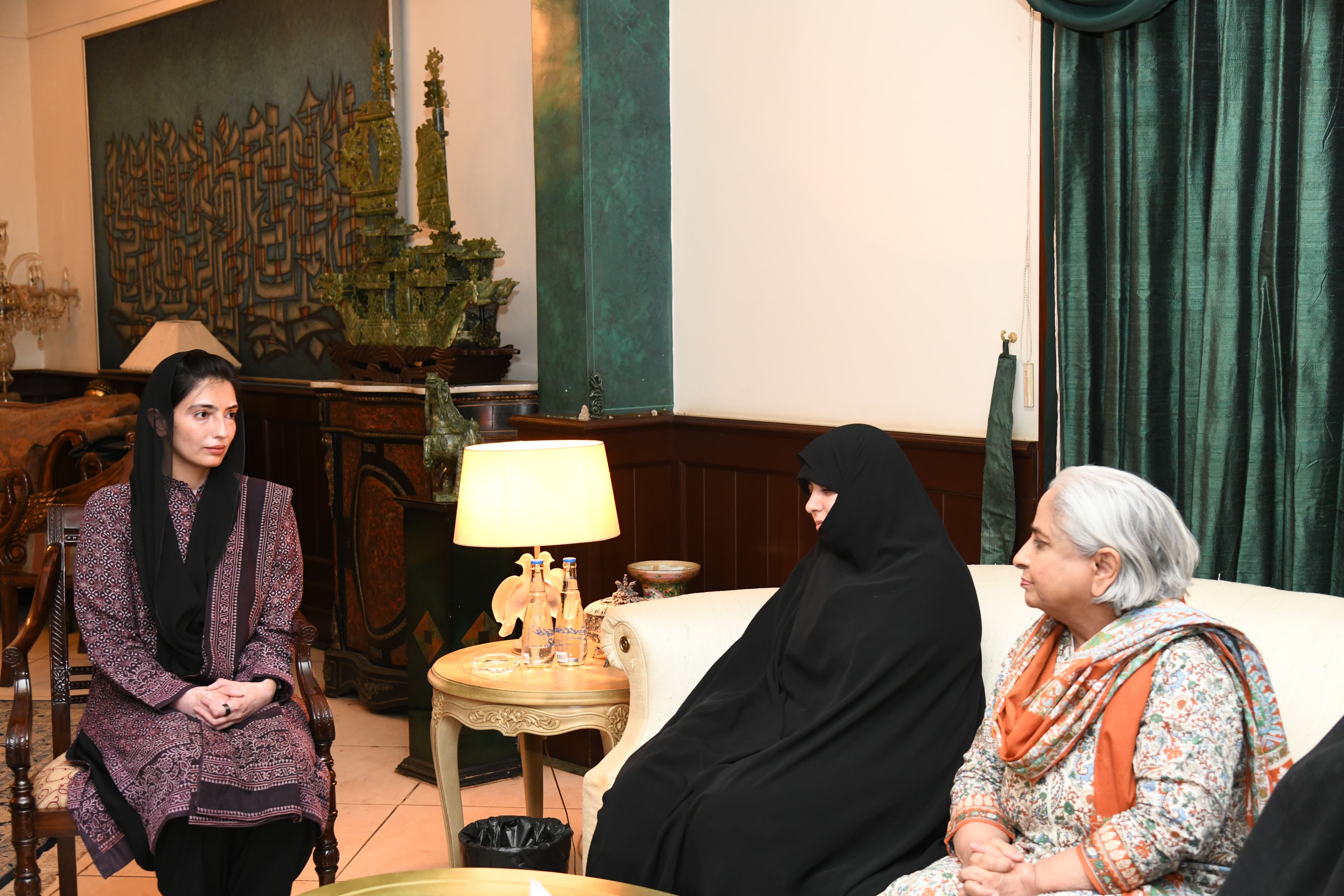
The recent meeting between First Lady Aseefa Bhutto Zardari and a distinguished Iranian delegation at Bilawal House represents far more than a ceremonial diplomatic encounter—it exemplifies the kind of thoughtful, culturally-sensitive leadership that strengthens nations from within while building bridges across borders.
Aseefa Bhutto Zardari's approach to this crucial bilateral meeting demonstrates the profound impact of personal diplomacy in international relations. By hosting the delegation led by Dr. Reyhaneh Sadat Raeisi, daughter of the late President Shaheed Ebrahim Raisi, the First Lady transformed what could have been a routine diplomatic exchange into a deeply meaningful encounter that honored shared grief, celebrated common values, and charted a path forward for enhanced cooperation.
Her recognition of Iran's "unwavering support throughout the years" and acknowledgment of the "brotherly bond based on mutual respect, cultural affinity, and shared aspirations" reveals a sophisticated understanding of how diplomatic relationships are built not merely on political calculations, but on genuine human connections and mutual recognition of shared struggles and triumphs.
What sets this meeting apart from typical diplomatic encounters is its focus on concrete areas of cooperation. The First Lady's specific commendation of Iran's healthcare advancements, drawing upon Health Minister Dr. Azra Pechuho's firsthand observations from visits to Iranian medical institutions, demonstrates her commitment to learning from neighboring nations and identifying practical areas for bilateral benefit.
This pragmatic approach to diplomacy—one that moves beyond pleasantries to examine real opportunities for mutual advancement in healthcare, culture, and diplomatic support—reflects the kind of substantive engagement that produces lasting results rather than empty promises.
Perhaps the most poignant aspect of the meeting was the offering of special prayers and Fateha for both Shaheed President Ebrahim Raisi and Shaheed Mohtarma Benazir Bhutto. This gesture transcends ordinary diplomatic protocol to touch something deeper in the relationship between Pakistan and Iran—the recognition that both nations have lost leaders who embodied their highest aspirations.
The First Lady's words about President Raisi's historic visit to Pakistan—"When your father visited Pakistan, the warmth and love shown by the people reflected the deep respect he commanded. Shaheeds never die; they continue to live in our hearts"—demonstrate an emotional intelligence that transforms diplomatic discourse from mere transaction to genuine human connection.
The meeting's conclusion, with its "reaffirmation of both countries' commitment to strengthening bilateral relations and working together for regional peace, stability, and development," positions Pakistan-Iran cooperation within the broader context of regional security and prosperity. This forward-looking perspective acknowledges that the challenges facing both nations—from economic development to security concerns—require collaborative solutions.
The First Lady's diplomatic approach recognizes that in an increasingly complex regional environment, Pakistan's relationship with Iran serves not only bilateral interests but contributes to broader stability in South and Central Asia.
Aseefa Bhutto Zardari's handling of this crucial meeting offers several lessons for contemporary diplomatic practice. Her ability to balance formal protocol with genuine warmth, to honor the past while focusing on future cooperation, and to engage substantively while maintaining cultural sensitivity demonstrates the kind of leadership that builds lasting international partnerships.
Her approach also reflects an understanding that effective diplomacy often requires patient relationship-building rather than dramatic gestures—the kind of steady, thoughtful engagement that creates the trust necessary for nations to work together on their most challenging problems.
As Pakistan navigates complex regional dynamics and seeks to strengthen its position in the international community, the First Lady's diplomatic engagement with Iran provides a template for how personal leadership, cultural understanding, and strategic vision can combine to advance national interests while contributing to regional stability.
The meeting at Bilawal House stands as a testament to the enduring power of human connection in international relations and to the First Lady's growing role as an effective advocate for Pakistan's interests on the global stage. In an era when diplomatic relationships often seem transactional and temporary, Aseefa Bhutto Zardari's approach offers hope that nations can still find common ground through mutual respect, shared values, and genuine commitment to collective progress.
No comments yet.