
PPP MNA Sehar Kamran Shares Al-Azhar Fatwa and Federal Shariat Court Ruling Supporting Child Marriage Ban
MNA Kamran strengthened her argument by citing specific Quranic verses that support the legislative approach taken in the Child Marriage Restraint Act.
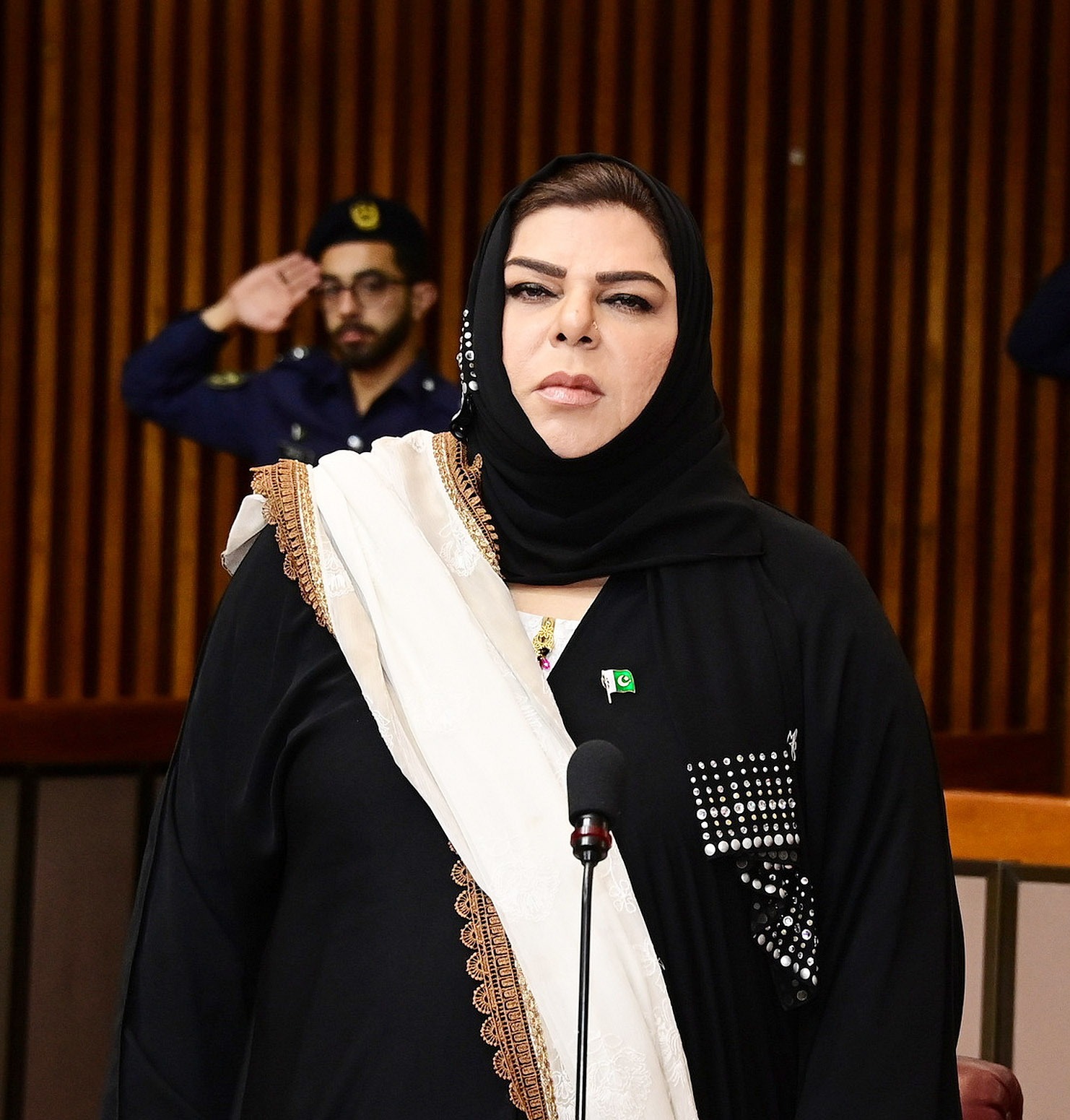
ISLAMABAD - Pakistan Peoples Party (PPP) Member of National Assembly Sehar Kamran has released significant Islamic jurisprudential evidence supporting the recently passed Child Marriage Restraint Act, sharing an official fatwa from Al-Azhar Al-Sharif in Egypt that explicitly condemns child marriage, alongside a Federal Shariat Court ruling that validates the minimum marriage age of 18 years.
In a series of social media posts on Tuesday, MNA Kamran presented what she described as landmark religious and judicial backing for Pakistan's child marriage legislation, directly addressing critics who have questioned the Islamic legitimacy of setting 18 as the minimum marriage age.
Al-Azhar University Issues Clear Prohibition
The fatwa from Al-Azhar Al-Sharif, one of the most prestigious centers of Islamic scholarship in the world, provides unambiguous religious authority against the practice of child marriage. Al-Azhar University, founded in 970 CE and widely recognized as a leading institution for Islamic jurisprudence, carries significant weight in the Muslim world when it issues religious rulings.
MNA Kamran's decision to share this official document represents a strategic move to counter religious objections that have historically been raised against child marriage legislation in Pakistan. The fatwa's prohibition of child marriage provides religious legitimacy to Pakistan's legislative efforts, demonstrating that protecting children from early marriage aligns with authentic Islamic teachings rather than contradicting them.
https://x.com/SeharKamran/status/1927654715451453489/photo/1

Federal Shariat Court Validates Legislation
Perhaps more significantly for Pakistan's legal framework, Kamran highlighted a Federal Shariat Court ruling that explicitly supports the Child Marriage Restraint Act 2013 and confirms that the minimum marriage age of 18 years aligns with Islamic injunctions while protecting children's rights.
The Federal Shariat Court, established to ensure that Pakistani laws conform to Islamic principles, made several key determinations in its ruling. The court found that setting a minimum age allows girls to complete their education and gain mental maturity before entering marriage. This educational component addresses one of the most pressing concerns about child marriage—that it typically forces girls to abandon their schooling, limiting their future opportunities and development.
The court's decision also recognized that the minimum age requirement aligns with Islamic principles that prioritize the protection of life, intellect, and health. This finding is particularly significant because it demonstrates that Islamic jurisprudence, properly understood, supports measures that protect children from potential harm rather than exposing them to it.
Additionally, the Federal Shariat Court ruling established that the state possesses the authority to set age thresholds specifically to prevent the harm that can result from child marriage. This determination addresses questions about governmental authority in regulating marriage practices, confirming that protecting citizens from harm falls within legitimate state powers even in matters traditionally considered private or religious.

Quranic Foundation for Legal Reform
MNA Kamran strengthened her argument by citing specific Quranic verses that support the legislative approach taken in the Child Marriage Restraint Act. She referenced Ayah an-Nisa 4:6, which equates marriageable age with mature and sound judgment. The verse states: "And test the orphans [in your charge] until they reach a marriageable age; then, if you find them to be mature of mind/sound in judgment, hand over to them their possessions."
This Quranic reference is particularly powerful because it directly links the concept of marriageable age to mental maturity and sound judgment, suggesting that Islamic law itself recognizes that marriage should only occur when individuals possess the cognitive and emotional capacity to make such significant life decisions.
Kamran also cited Surah an-Nisa 4:19, which explicitly forbids forcing women into marriage against their will: "O You who have chosen to be graced with belief! It is not lawful for you to force women into marrying or holding on to them in marriage against their will." This verse addresses the coercive nature of many child marriages, where young girls have no meaningful choice in decisions that will fundamentally shape their lives.

Legislative History and Continued Advocacy
MNA Sehar Kamran has been a persistent advocate for child marriage legislation throughout her political career. Her efforts date back several years, with previous attempts to pass similar legislation facing resistance from various quarters. The recent successful passage of the Child Marriage Restraint Act represents the culmination of sustained advocacy and careful building of support across political and religious lines.
The significance of sharing both the Al-Azhar fatwa and the Federal Shariat Court ruling lies in their combined impact on the ongoing debate about child marriage in Pakistan. By presenting both international Islamic scholarship and domestic judicial authority, Kamran has created a comprehensive religious and legal foundation that supports the legislation.
Broader Implications for Child Rights
The religious and judicial backing that Kamran has highlighted extends beyond mere legal validation to encompass broader questions about child rights and welfare in Pakistan. The Federal Shariat Court's recognition that education and mental maturity should precede marriage aligns with contemporary understanding of child development and human rights principles.
The court's emphasis on protecting life, intellect, and health reflects Islamic values that prioritize human welfare and development over rigid adherence to practices that may have been appropriate in different historical contexts but no longer serve the best interests of children in modern society.
Response to Critics and Future Implementation
By presenting this religious and judicial evidence, MNA Kamran has effectively addressed many of the objections that have been raised against child marriage legislation. Critics who have argued that such laws contradict Islamic teachings now face authoritative religious and judicial opinions that support rather than oppose these protective measures.
The Al-Azhar fatwa carries particular weight because it comes from an institution that represents mainstream Sunni Islamic scholarship and has historically been conservative in its interpretations. When such an institution issues a clear prohibition against child marriage, it becomes difficult for local religious leaders to maintain that Islam permits or encourages such practices.
The Federal Shariat Court ruling is equally significant for Pakistan's legal system because it provides domestic judicial authority for the legislation. Courts at all levels can now reference this ruling when dealing with cases related to child marriage, creating a clear legal precedent that supports enforcement of the law.
Educational and Social Benefits
The emphasis on education in both the fatwa and the court ruling highlights one of the most important aspects of preventing child marriage. When girls are allowed to complete their education before marriage, they gain knowledge, skills, and confidence that benefit not only themselves but their future families and communities.
The connection between education and delayed marriage also addresses broader social and economic development goals. Educated women are more likely to participate in the workforce, contribute to economic growth, and make informed decisions about their families' health and welfare.
Path Forward for Implementation
While the religious and legal foundation for child marriage prevention is now clearly established, the challenge lies in effective implementation of the law. MNA Kamran's presentation of this evidence provides tools for advocacy and education that can help build community support for compliance with the legislation.
Religious leaders who may have previously opposed such laws now have authoritative Islamic scholarship to reference when discussing the issue with their communities. Similarly, legal professionals and government officials have clear judicial precedent to guide their enforcement efforts.
The combination of Al-Azhar's fatwa and the Federal Shariat Court ruling creates a powerful framework for addressing child marriage that respects both religious values and contemporary understanding of child welfare. This approach demonstrates that protecting children and respecting Islamic principles are not contradictory goals but rather complementary aspects of creating a just and caring society.
MNA Sehar Kamran's strategic presentation of this evidence represents more than just political advocacy—it demonstrates how thoughtful leadership can bridge traditional religious authority with modern human rights principles to create meaningful protection for Pakistan's most vulnerable citizens.
No comments yet.