
Bilawal's Diplomatic Leadership: A Testament to Pakistan's Peaceful Vision
By Sania Kamran
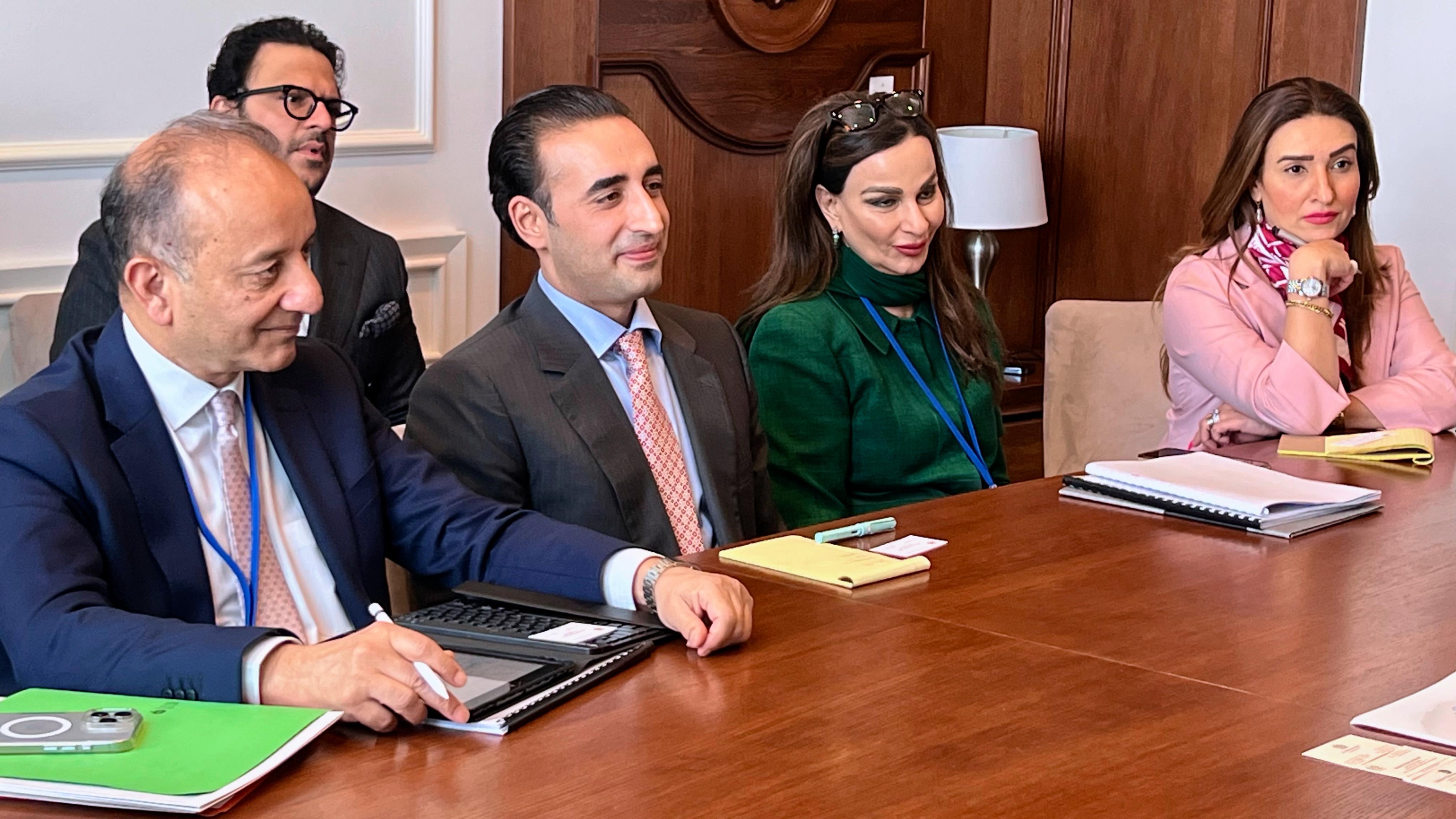
In these turbulent times when South Asia teeters on the edge of escalating tensions, I have witnessed firsthand the transformative power of principled diplomacy through Chairman Bilawal Bhutto Zardari's recent engagements at the United Nations. As a devoted party worker under his leadership in the Pakistan Peoples Party and former representative of Punjab's people, I can attest that what the whole world saw in New York was a statesmanship of the highest caliber.
As a political activist and observer, I have observed his remarkable journey from a young leader to a mature diplomat who embodies the finest traditions of the Bhutto legacy while forging his own path toward peace. His recent meetings with UN Secretary-General António Guterres, Security Council President Ambassador Carolyn Rodrigues-Birkett, and General Assembly President Philemon Yang represent a masterclass in how Pakistan should engage with the world—firmly, fairly, and with unwavering commitment to international law.
What struck me most about Chairman Bilawal's approach was his refusal to engage in the inflammatory rhetoric that has unfortunately become commonplace in regional politics. Instead of responding to India's hasty accusations regarding the Pahalgam incident with emotional outbursts, he chose the path of evidence-based reasoning and legal argumentation. This is the Pakistan the whole nation want to see on the world stage—confident, principled, and committed to justice.
His systematic engagement with the three pillars of the UN system demonstrates strategic thinking that goes beyond immediate political gains. By presenting Pakistan's case to the Secretary-General, Security Council President, and General Assembly President, he ensured our concerns were heard at every level of the international community. This is diplomacy with purpose and precision.
As someone who has spent years in Punjab's political landscape, I understand the pressure leaders face to appear strong through aggressive posturing. Chairman Bilawal's choice to emphasize Pakistan's "mature, responsible, and restrained conduct" in the face of Indian provocations required genuine courage. It would have been easier to match rhetoric with rhetoric, but true leadership lies in choosing the harder path toward sustainable peace.
His framing of India's suspension of the Indus Waters Treaty as "weaponization of water" was particularly powerful. Having represented constituencies where water scarcity affects ordinary families, I know this issue transcends politics—it's about human survival. By connecting this technical dispute to humanitarian concerns, Chairman Bilawal made Pakistan's case accessible to international audiences while highlighting the real-world consequences of India's actions.
What gives me hope for Pakistan's future is Chairman Bilawal's ability to engage with diverse international partners. His meetings with representatives from the United States, Russia, China, and numerous other nations demonstrate that Pakistan's foreign policy need not be confined to choosing sides in global power competitions. Instead, we can build bridges based on mutual respect and shared interests in regional stability. This approach reflects the Pakistan Peoples Party's historic commitment to non-alignment and principled engagement with all nations. It's a tradition that served Pakistan well during the Cold War and remains relevant in today's multipolar world.
Chairman Bilawal's consistent emphasis on the Kashmir dispute as central to regional peace demonstrates both historical awareness and strategic wisdom. As a representative who has long advocated for the rights of marginalized communities, I appreciate his insistence that "durable peace in the region hinges on the just and peaceful resolution of the Jammu and Kashmir dispute in accordance with international law." This is not mere political posturing but a recognition that unresolved disputes continue to fuel tensions and instability. By grounding Pakistan's position in international law and UN resolutions, Chairman Bilawal maintains our principled stance while appealing to the international community's commitment to legal resolution of conflicts.
Having observed political leadership at various levels, I can recognize exceptional talent when I see it. Chairman Bilawal's UN engagements represent the kind of leadership Pakistan needs—intellectually rigorous yet emotionally intelligent, principled yet pragmatic, and deeply rooted in Pakistani values while sophisticated in international dynamics. His ability to present complex regional disputes in terms that resonate with global audiences, his skill in building coalitions across ideological divides, and his unwavering commitment to peaceful resolution offer a model for how Pakistan should engage with the world in the 21st century.

As Pakistan navigates an increasingly complex international environment, we need leaders who can articulate our interests with clarity and conviction while building the relationships necessary for sustainable peace and prosperity. Chairman Bilawal's diplomatic efforts demonstrate that Pakistan possesses such leadership. The international recognition he has garnered for Pakistan's "measured and proportionate response" reflects well not just on his individual capabilities but on Pakistan's potential to be a force for stability and peace in South Asia and beyond.
In Chairman Bilawal Bhutto Zardari, Pakistan has found a diplomatic voice that honors our past while preparing us for the future. His recent UN engagements remind us that true strength lies not in the ability to escalate conflicts but in the wisdom to resolve them peacefully. As we face the challenges ahead, we can take comfort in knowing that Pakistan's interests are represented by someone who combines the best of our diplomatic traditions with the vision necessary for lasting peace.
The mark of great leadership is not just the ability to represent one's people effectively, but to do so in ways that contribute to the broader cause of human progress and peace. By this measure, Chairman Bilawal's diplomatic efforts represent not just success for Pakistan, but a contribution to the cause of regional stability that benefits all nations committed to a more peaceful world.
Sania Kamran is a former Member of the Provincial Assembly (MPA) of Punjab and a leader of the Pakistan Peoples Party.
No comments yet.