
Successful Diplomatic Mission of Chairman Bilawal Bhutto
By Dr.Nasir Hussain Bukhari
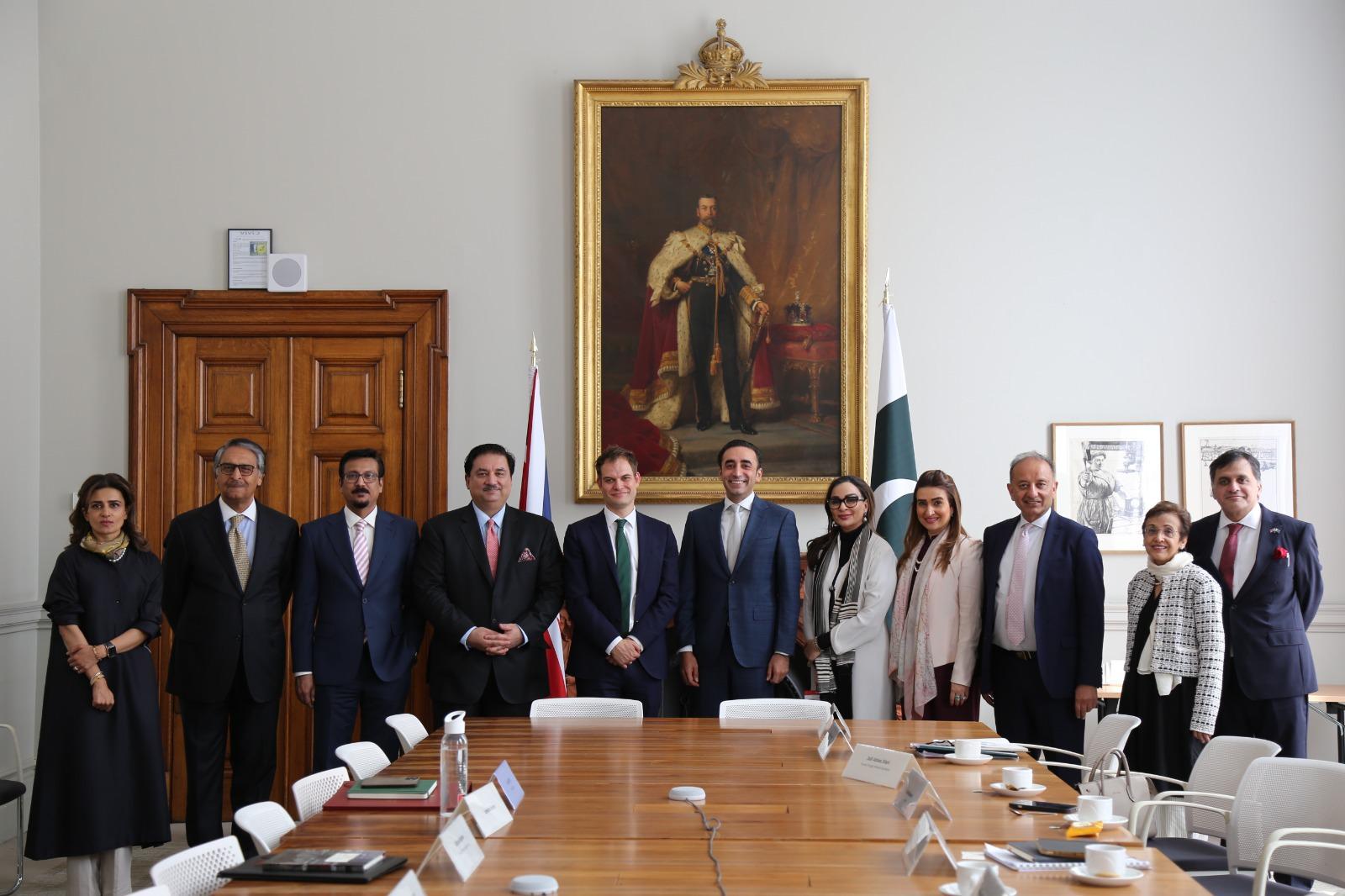
Chairman Bilawal Bhutto, the young and dynamic leader of the Pakistan Peoples Party, recently embarked on a diplomatic mission to the USA and the UK. During his visit, he highlighted the role of India in escalating terrorism not only in Pakistan but in the world. He emphasized the need for talks between India and Pakistan to resolve the longstanding issue of Kashmir, which has been the bone of contention between the two countries for decades.
In his meetings with officials and leaders in the USA and the UK, Chairman Bilawal Bhutto eloquently presented Pakistan's stance on the issue of terrorism and its impact on the region. He highlighted the fact that Pakistan has been at the forefront of the global war on terror for the past forty years and has paid a heavy price in terms of lives lost and economic damage. He explained the ongoing conflict between Pakistan and India has been a source of tension in the region for decades. One of the key issues that has fueled this conflict is the dispute over water resources, particularly the Indus Basin Treaty.
He elaborated that the Indus Basin Treaty, signed in 1960, divided the waters of the Indus River and its tributaries between India and Pakistan. The treaty gave India control over the waters of the eastern rivers – the Ravi, Beas, and Sutlej – while Pakistan was given control over the waters of the western rivers – the Indus, Jhelum, and Chenab. The treaty also established a Permanent Indus Commission to resolve any disputes that may arise over water sharing.
While the treaty has largely been successful in managing water resources between the two countries, it has also been a source of tension. Pakistan relies heavily on the waters of the Indus Basin for its agricultural and economic development, and any disruptions to the flow of these waters by India can have serious consequences for Pakistan.
In recent years, there have been calls in India to revisit the treaty in response to terrorist attacks carried out by Pakistan-based militant groups in Indian-administered Kashmir. These attacks have further escalated tensions between the two countries, with India accusing Pakistan of supporting and harboring militant groups that carry out attacks in Indian territory.
The conflict over Kashmir, a region claimed by both India and Pakistan, has also been a major source of tension between the two countries. The region has been the site of multiple wars and skirmishes, with both countries claiming sovereignty over the entire region. The dispute over Kashmir has been a major stumbling block in efforts to resolve the broader conflict between India and Pakistan.
The Chairman Bhutto vividly has explained the issue of Terrorism the involvement of India to promote the terrorists groups Balochistan Liberation Army (BLA) and Tehreek e Taliban Pakistan (TTP). According to Him, the terrorism has also played a significant role in exacerbating the conflict between India and Pakistan. Pakistan has long been accused of harboring and supporting militant groups that carry out attacks in Indian territory, while India has been criticized for its heavy-handed tactics in suppressing dissent in Kashmir. The use of terrorism as a tool of statecraft by both countries has further inflamed tensions and hindered efforts to find a peaceful resolution to the conflict.
The conflict between Pakistan and India is a complex and multifaceted issue that is rooted in historical grievances, territorial disputes, and competition for scarce resources. The Indus Basin Treaty, the dispute over Kashmir, and the issue of terrorism are all interconnected and have contributed to the ongoing tensions between the two countries. Finding a lasting solution to the conflict will require both countries to address these underlying issues and work towards building trust and cooperation.
He stressed that Pakistan has learned many lessons from its experience with terrorism and has completely changed its policy towards it.
One of the key points raised by Chairman Bilawal Bhutto during his diplomatic mission was the denial of Pakistan's involvement in the recent incident in Pehalgaam. He categorically stated that Pakistan is committed to peace and stability in the region and will not engage in any activities that can escalate tensions with India.
Chairman Bilawal Bhutto criticized the policy of Hindutva being followed by Indian Prime Minister Narendra Modi and his party. He highlighted the dangers of this extremist ideology and its impact on the region's stability. He called upon the international community to take notice of India's aggressive policies and support Pakistan's efforts for peace and dialogue.
During his meetings with US and UK officials, Chairman Bilawal Bhutto stressed the need for a peaceful resolution of the Kashmir issue. He emphasized that the people of Kashmir have suffered for too long and it is time for both India and Pakistan to come to the negotiating table and find a solution that is acceptable to all parties.
Chairman Bilawal Bhutto also raised concerns about the peril of nuclear disaster in the region due to the ongoing tensions between India and Pakistan. He highlighted the importance of dialogue and diplomacy in resolving conflicts and preventing a catastrophic war that could have devastating consequences for the entire region.
The Chairman Bilawal Bhutto's successful diplomatic mission to the USA and the UK has shed light on the role of India in escalating terrorism and the need for peace and dialogue between India and Pakistan. He has effectively conveyed Pakistan's stance on the issue of Kashmir and its commitment to peace and stability in the region. His efforts have been instrumental in raising awareness about the dangers of extremism and the importance of peaceful resolution of conflicts.

No comments yet.