
The Clash of Titans: The Tariff War Between the USA and China
In an escalating struggle for economic supremacy, the United States and China have entered a high-stakes tariff war that is reshaping global trade.
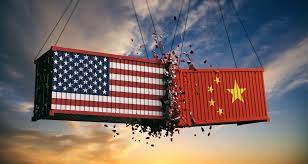
Last week, Trump raised the tariff on all Chinese goods from 10 percent to 20 percent.
China responded by imposing 10% and 15% tariffs on U.S. agricultural products, specifically targeting Trump's voter base.
As a result, chicken, wheat, corn, and cotton imported from the United States will now incur higher charges.
Meanwhile, soybeans, sorghum, pork, beef, aquatic products, fruits, vegetables, and dairy will be subject to a slightly lower tariff rate.
China's tariffs on U.S. agricultural goods began on Monday in response to President Trump's recent tariff hike, escalating trade tensions between the two largest economies.
Since returning to office in January, Trump has imposed tariffs on key trading partners like China, Canada, and Mexico, citing their failure to tackle illegal immigration and fentanyl trafficking.
As trade tensions continue to rise, Chinese leaders find themselves grappling with an even tougher challenge: stabilizing a shaky economy.
The mounting headwinds only add to the complexity of their task, making it imperative for them to navigate these turbulent waters with skill and foresight.
Experts suggest the full impact of the recent tariffs is not yet felt, but early signs indicate a decline in shipments.
Beijing's "Two Sessions" saw Premier Li Qiang detail economic strategy amid complex global headwinds, trade data showed.
Premier Li set the economic growth target for next year at "around 5%," aligning it with the goal for 2024. This aims to sustain similar economic expansion and continue existing policies, reflecting last year's objective for national development.
Many economists regard this goal as a significant challenge, but it also presents an opportunity to address the complexities facing China's economy.

No comments yet.