
PPP Denies Allegations Against Governor as Calls for Transparency Grow
It is essential that the Governor of Punjab scrutinizes the company he keeps within his official premises.
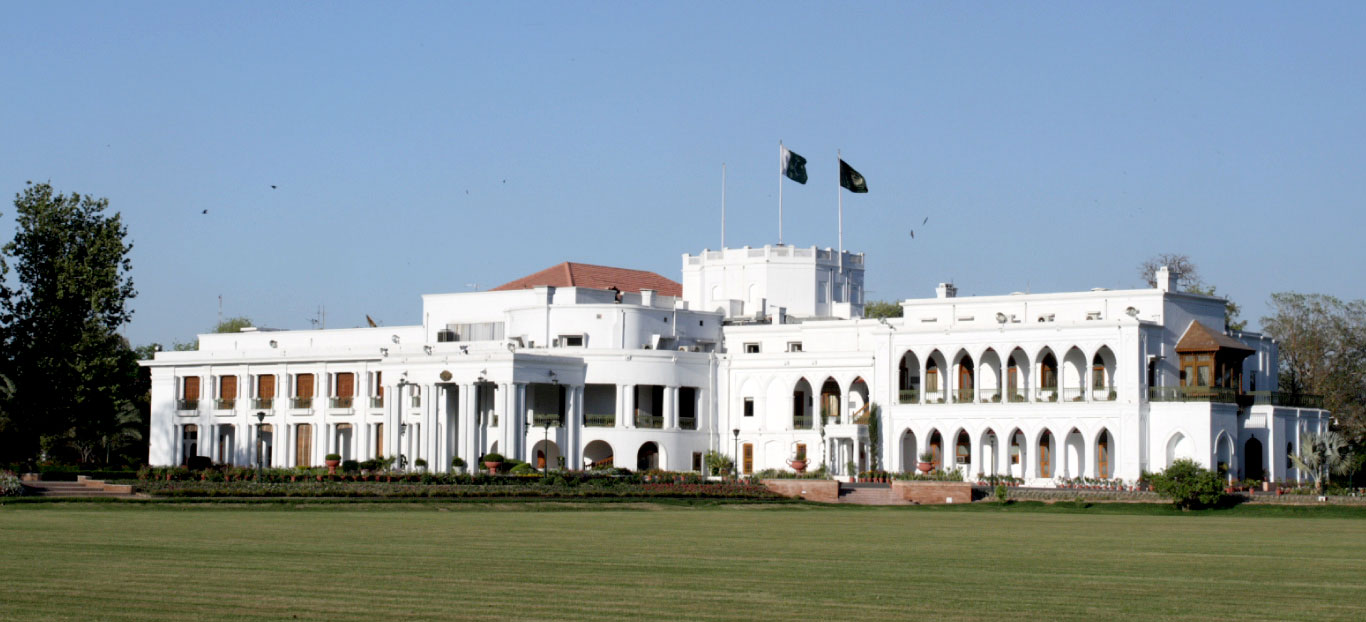
The recent controversy surrounding Punjab Governor Sardar Saleem Haider represents a multifaceted political situation that merits careful examination. At the center of this unfolding story are serious allegations of bribery that have emerged through unconventional channels, specifically a viral video featuring a man identifying himself as Sardar Zulfiqar Ali.
A news report in The Express Tribune captured the unfolding drama: a former media coordinator, Sardar Zulfiqar Ali, in a viral video, claimed that he paid Rs70 million to secure an advisory role, implicating high-ranking party officials in a bribery scandal. Yet, PPP insiders have swiftly dismissed these charges as a baseless “cock and bull story,” attributing the dispute to personal financial conflicts rather than systemic corruption.
In this widely circulated video, Zulfiqar Ali appears handcuffed while making extraordinary claims. He states that he paid an enormous sum—Rs70 million—to secure an advisory position at the Governor House. The gravity of these allegations stems not only from the substantial amount mentioned but also from the direct implication of high-ranking officials, including the Governor himself. Zulfiqar further alleges that despite this payment, he was subsequently removed from his position and now faces legal troubles that he characterizes as politically motivated retaliation.
The Pakistan Peoples Party (PPP) has responded decisively to these allegations. Senior party officials have dismissed Zulfiqar's claims, characterizing them as fabrications without merit—"a cock and bull story" in their words. The party's narrative suggests that the dispute actually originates from a personal financial conflict between Zulfiqar and another individual named Salman, rather than involving Governor Haider or PPP Central Punjab General Secretary Hassan Murtaza.
Hassan Murtaza's counterargument introduces an important chronological consideration: he points out that legal cases against Zulfiqar predated his appointment at the Governor House. This timeline contradiction raises a logical question: how could cases filed before Zulfiqar's brief tenure be considered retaliatory measures for events that hadn't yet occurred? This inconsistency creates significant doubt about the credibility of Zulfiqar's allegations.
To fully comprehend this situation, we must consider Pakistan's broader political landscape. The country's political environment has become increasingly polarized, with character assassination emerging as a tactical approach. This context necessitates questioning whether these allegations represent genuine grievances or constitute a calculated effort to undermine PPP leadership in Punjab.
The timing of these allegations warrants particular scrutiny. Why have these claims emerged now, and what political objectives might they serve? Answering these questions is essential for understanding whether this controversy represents a legitimate governance failure or a strategic political maneuver.
Beyond the immediate controversy, this situation highlights significant institutional vulnerabilities. The appointment process for advisory positions appears to lack rigorous vetting procedures, potentially allowing individuals with questionable histories to secure influential roles. This systemic weakness demands structural reforms rather than merely reactive measures.
The Governor would benefit from conducting a comprehensive internal review of appointment protocols and establishing robust ethical guidelines. Meanwhile, the PPP leadership should consider issuing formal, detailed responses through official channels rather than relying on anonymous sources, which can appear defensive rather than transparent.
Perhaps the most consequential aspect of this controversy concerns the Governor's associates. Reports suggesting that opportunistic individuals have established themselves within the Governor's House primarily for financial gain represent a profound threat to institutional integrity. The Governor's responsibility extends beyond his personal actions to include the conduct of those he allows into his professional circle.
Maintaining appropriate distance from potentially compromising influences isn't merely about protecting personal reputation—it directly affects the perceived legitimacy of a constitutional office. The Governor House, as a symbol of the federation, must remain above suspicion to function effectively in its constitutional role.
It is essential that the Governor of Punjab scrutinizes the company he keeps within his official premises. The presence of individuals whose only goal appears to be personal financial gain not only tarnishes the image of the Governor’s House but also jeopardizes the integrity of its operations. To safeguard its reputation, distancing from such dubious influences is not merely advisable—it is necessary.
Democratic governance fundamentally requires both evidence for allegations and transparency in denials. The public deserves comprehensive information about this situation, including investigations into the veracity of Zulfiqar's claims and clear explanations of appointment procedures at the Governor House.
This controversy, regardless of its ultimate resolution, should serve as a catalyst for institutional improvement. Both the PPP in the province and the Governor's office would benefit from re-evaluating their internal processes and associations. Through sincere introspection and decisive action, they can work to prevent similar controversies in the future and strengthen their position.
The true test of leadership in this situation will not be found in defensive posturing but in a commitment to transparency, accountability, and institutional reform that serves the public interest above all else.
No comments yet.