
National Security Above All: Bilawal's Critique and Call for Consensus
Bilawal’s message was clear: the fight against terrorism and the management of economic and social crises require consensus and collaboration.
By Junaid Qaiser
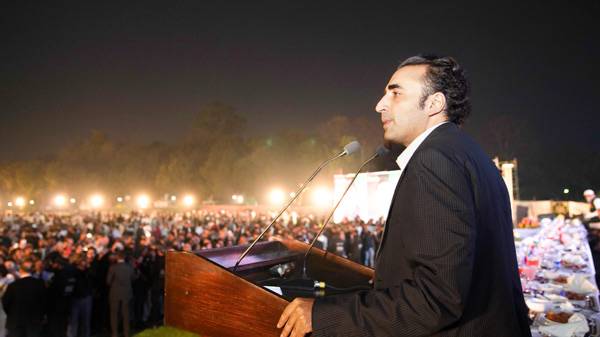
Pakistan stands at a critical juncture, facing a confluence of security threats and internal political strife. In this context, Bilawal Bhutto Zardari's address at the Punjab Governor's House was a stark reminder of the urgency for national unity. His criticism of political parties prioritizing narrow agendas over national security, especially in the face of escalating terrorism, resonated deeply. By advocating for a reconvened national security meeting with broader participation, he underscored the necessity for a collective approach. His pointed dismissal of political grievances as "Qaidi number whatever" signaled a rejection of partisan distractions, emphasizing that the nation's security transcends individual or party interests. Bilawal's positioning of the PPP as a mediator, capable of bridging political divides, is a strategic move, but it must be backed by concrete actions. His symbolic gestures of inclusivity, such as opening the Governor's House, are commendable, but they must translate into tangible policy changes and collaborative efforts to address the nation's pressing issues. Ultimately, his call for a united front is a crucial appeal, but its success hinges on the willingness of all political actors to prioritize national security over personal agendas.
Distancing his party from the roles of both the government and the opposition, Bilawal positioned the PPP as a neutral facilitator ready to offer constructive input. His party’s unique stance, according to him, enables it to bridge divides, promote dialogue, and drive consensus—a role that becomes all the more crucial in times when security challenges and economic hardships demand immediate, collective action.
Bilawal Bhutto Zardari’s statements are a clarion call for Pakistan’s political leadership to transcend their differences in the face of an escalating threat. With terrorism and economic woes affecting the everyday lives of citizens, the need for a cohesive and coordinated national strategy is more urgent than ever. By urging all factions to prioritize collective security and pragmatic governance, Bilawal not only critiques the status quo but also extends an olive branch towards forging a united path forward—a path that might ultimately hold the key to Pakistan’s stability and progress.
An unsettling incident at a ceremony has stirred controversy among party ranks, with reports of physical violence and degrading treatment of party workers now circulating widely on WhatsApp groups. The incident, which involved aggressive actions by security personnel, has prompted a strong condemnatory statement from the People's Student Federation (PSF) Central Punjab.
The statement specifically highlights the alleged mistreatment of Qamar Khan, President of the People's Students Federation (PSF), and Asif Khan Baloch, General Secretary of the People's Youth Organization (PYO), along with other party workers.
In response to the alleged incident, PSF and PYO workers reportedly raised slogans against Punjab leadership, expressing their outrage at the treatment they received. The organizations have demanded immediate intervention from PPP Chairman Bilawal Bhutto Zardari.
The federation called on him to initiate a comprehensive investigation and enforce strict disciplinary measures against those found responsible for the misconduct. They warned that failure to conduct an impartial inquiry would lead to a strong protest campaign outside the People’s Party Punjab Secretariat, including the possibility of a sit-in.
In addition to the call for accountability, the statement criticized the actions of the Governor House security personnel, accusing them of “violating the honor and dignity” of party workers by engaging in aggressive and targeted behavior. The PSF, along with the PYO and People’s Lawyers Forum, reiterated their solidarity with the affected workers and their commitment to defending public rights, justice, and democratic values.
Finally, we emphasize that Chairman Bilawal Bhutto Zardari is a young leader and a true representative of the youth. His public image is built on this identity, and it is essential that he continues to embody the spirit of the new generation. Therefore, we request that at future ceremonies in Lahore or elsewhere in Punjab, he is accompanied by emerging young leaders rather than predominantly by older figures(Uncles). The individuals alongside him should reflect the dynamic energy of youth—names like Ali Haider Gilani, Ali Qasim Gillani, Ali Musa Gillani, Faisal Mir, Barrister Aamir Hassan, Sehar Kamran, Jahan Ara Wattoo, Faiza Malik, Malaika S Raza, Sania Kamran, Nayab Gohar Jan and other promising talents. Such a display will not only inspire and boost the morale of young leaders but also encourage more young people to join the party in Punjab. The time has come to bring forward the fresh, innovative voices of the next generation.
This approach acknowledges a fundamental demographic reality: Pakistan is a young nation requiring leadership that understands contemporary challenges. The psychological impact of such representation cannot be overstated. When young party members see their peers in leadership positions, it transforms political participation from a distant concept to an achievable aspiration.
The PPP, through Bilawal's leadership, is presenting a multifaceted response to national challenges. By simultaneously addressing national security, internal party dynamics, and generational representation, the party is positioning itself as a potential catalyst for meaningful political transformation.
The path forward requires balancing strategic vision with grassroots accountability, national security with internal democracy, and traditional wisdom with youthful energy. The PPP's current trajectory suggests an understanding that political relevance in the 21st century demands nothing less than a holistic, adaptive approach.
As Pakistan confronts unprecedented challenges, the ability to bridge divides—generational, ideological, and institutional—will determine not just political success, but national resilience.
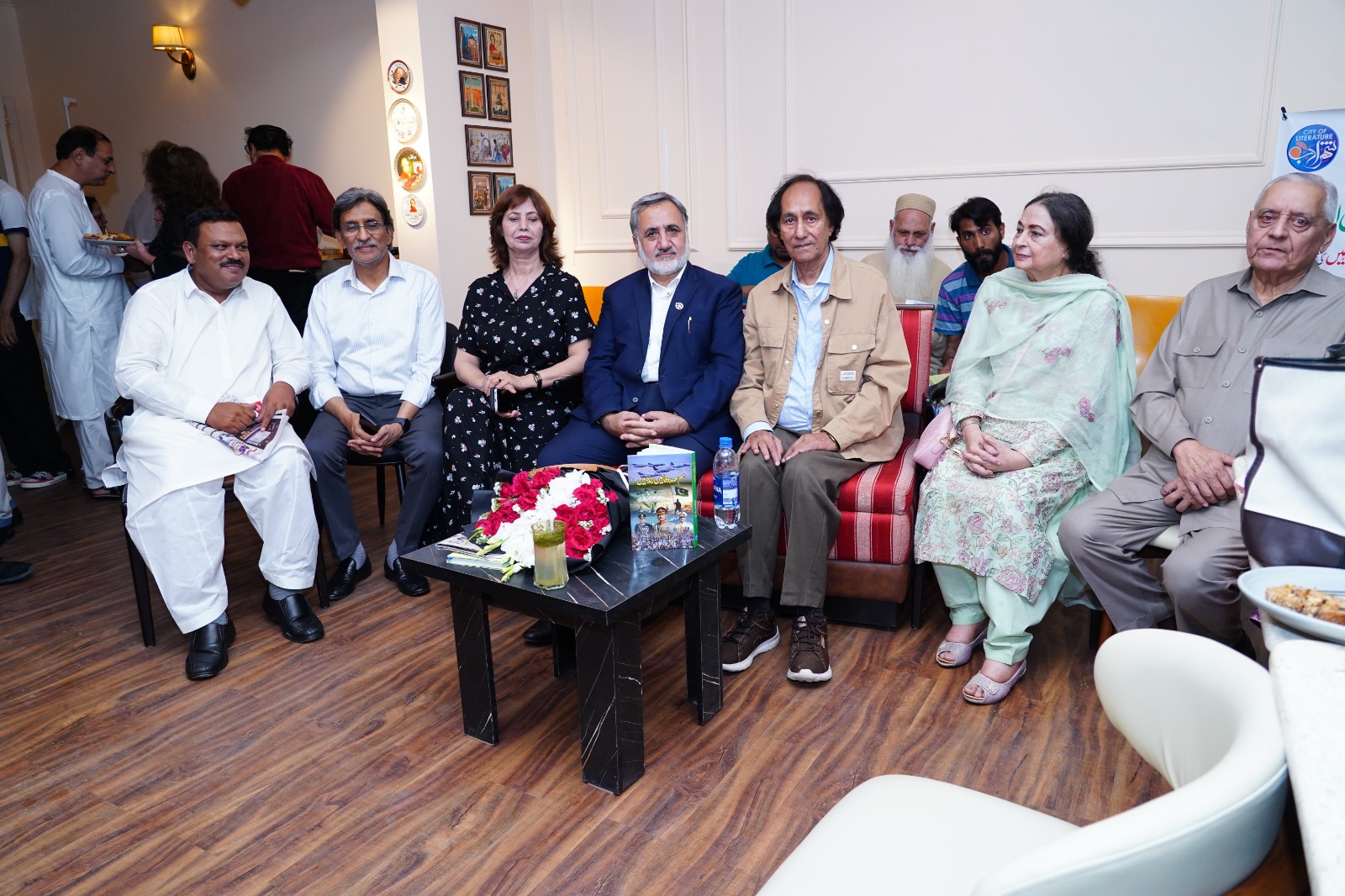
گورنر ہاؤس کے اہلکاروں کا پی وائی او پنجاب کے پریزیڈنٹ اور باقی پی وائی او اور پی ایس ایف کے دوستوں پر بہیمانہ تشدد ایک ورکر کی تذلیل ہے اور اس کے وقار کو مجروح کرنے کا طریقہ ہے ۔جس کی ہم شدید الفاظ میں مذمت کرتے ہیں ۔