
Beyond Dual Roles: A New Leadership Paradigm for PPP's Organizational Renewal
The practice of appointing constituency-holding politicians to key organizational positions has consistently undermined the party's structural integrity.
By Junaid Qaiser
Lahore occupies a central position in Pakistan's political framework as Punjab's dynamic capital city. This historic metropolis has consistently functioned as a power center whose influence extends throughout the Punjab region and shapes national politics. The city carries deep historical significance as the birthplace of the Lahore Resolution, which later catalyzed Pakistan's formation. Today, Lahore remains an essential electoral battleground for political parties with national ambitions, as success here typically signals broader support across Punjab province—a critical factor in forming federal governments.
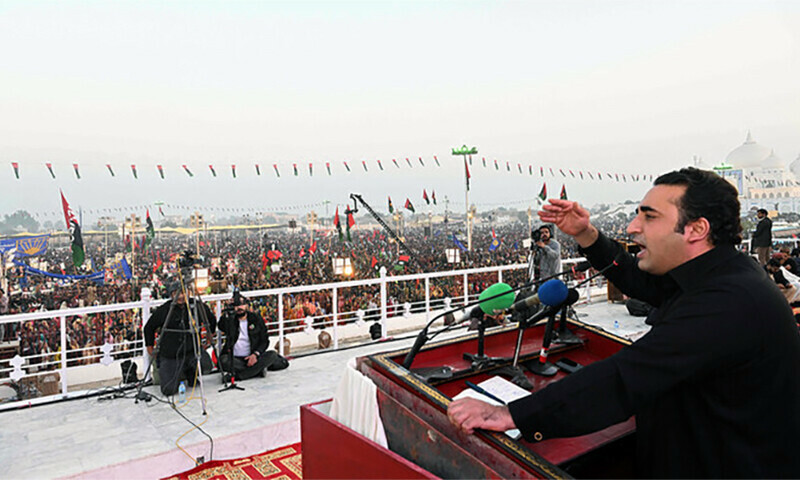
The Pakistan Peoples Party (PPP) experienced a significant electoral setback in Lahore during the February 2024 general elections, most notably when Chairman Bilawal Bhutto Zardari lost in the NA-127 constituency. This defeat prompted an unusual demonstration of political accountability when Chaudhry Aslam Gill, then serving as PPP Lahore President, resigned from his position. During a subsequent Central Executive Committee meeting in Islamabad, Gill formally offered his resignation to "make way for new local leadership."
Gill's willingness to accept responsibility stands as a commendable example of political integrity, particularly considering that multiple factors contributed to the defeat, including organizational shortcomings and problematic behaviors within party ranks. Many other party figures facing similar circumstances have chosen to retain their positions rather than acknowledge accountability.
Since Gill's departure, however, the Lahore presidency has remained unfilled, with party leadership seemingly unable to make a decision about this vital position. This leadership vacuum in Pakistan's political heartland—a city known for sparking movements and providing pathways to federal governance—cannot continue indefinitely. The PPP must recognize that leaving this essential position vacant significantly undermines both organizational effectiveness and future electoral prospects.
As the party considers new appointments for both Lahore and broader Punjab leadership roles, strategic long-term planning becomes essential. With general elections expected in 2029 or 2030 (potentially later, given Pakistan's history of extending caretaker governments, as demonstrated when 2023's scheduled elections were delayed until 2024), the PPP must select leaders who possess both the physical stamina and mental acuity to provide energetic leadership throughout this extended timeframe. These positions require forward-thinking individuals capable of maintaining organizational momentum over multiple years.
The practice of appointing constituency-holding politicians to key organizational positions has consistently undermined the party's structural integrity. These dual-role leaders inevitably find themselves torn between two competing priorities: serving their constituency's specific needs and building the party's broader organizational capacity. During critical electoral moments, this divided attention becomes particularly problematic.
Recent elections demonstrated this dynamic with striking clarity. When Aslam Gil contested in by-elections, provincial officials who weren't simultaneously managing their own campaigns provided crucial support. Their undivided attention enabled them to maintain internal discipline, coordinate resources effectively, and present a unified front. The result was a well-orchestrated campaign that minimized factional conflicts and maximized efficiency.
In stark contrast, Chairman Bilawal Bhutto Zardari's campaign in NA-127 suffered from organizational fragmentation. Many provincial officials who might have strengthened this pivotal contest were instead focused on securing their own electoral victories. This absence of dedicated organizational leadership created a vacuum precisely when cohesion was most needed.
The solution becomes increasingly evident: the PPP must appoint individuals to leadership positions who don't carry constituency responsibilities. Such leaders could dedicate themselves wholly to organizational development—building robust structures from the grassroots upward, mediating internal disputes, coordinating campaign resources, and maintaining the party's visibility between electoral cycles.
Looking ahead to elections anticipated in 2029-2030, the party requires leaders with both long-term vision and sustained capacity. These shouldn't merely be figureheads but dynamic builders capable of remaining mentally and physically engaged throughout this extended timeframe. They must be strategic thinkers who can navigate both traditional political landscapes and emerging digital battlegrounds.
This isn't simply about filling a vacancy; it's about transforming how the party conceptualizes leadership. Rather than selecting representatives who must divide their attention, the PPP should appoint organizational custodians whose primary mission is constructing durable political infrastructure.
The current leadership vacuum in Lahore represents both danger and opportunity. While an empty throne invites instability and diminished influence, it also creates space for meaningful reform. By selecting dedicated organizational leaders untethered from constituency obligations, the PPP could build a more resilient, responsive, and ultimately more successful political machine.
The party's future electoral prospects may well depend on its willingness to embrace this organizational paradigm shift—placing organizational health at the center of its leadership strategy rather than treating it as an afterthought to constituency representation.
As the incubator of political movements and a crucial stepping stone toward federal power, Lahore cannot remain without dedicated party leadership. The prolonged indecision suggests possible internal conflicts or accountability concerns that the party leadership appears reluctant to address. For the PPP to rebuild its position in this crucial region, filling this vacancy with capable, dedicated leadership must become an immediate priority.
The solution becomes increasingly apparent: organizational leadership positions should be filled by dedicated party workers without constituency responsibilities. These individuals can focus exclusively on strengthening grassroots structures and building cohesive organizational frameworks—essential foundations for electoral success.
If implemented thoughtfully, these recommendations could substantially improve the PPP's electoral prospects and organizational integrity. The party stands at a crossroads: it can continue with business as usual and risk further electoral disappointments, or it can embrace meaningful reform by appointing dedicated organizational leaders who can rebuild its presence in Pakistan's political heartland.
The PPP leadership has an opportunity to turn a moment of setback into a catalyst for renewal. By appointing a new Lahore president and Punjab office bearers who are unencumbered by constituencies and equipped to lead through extended political cycles, the party can rebuild its organizational strength. If these recommendations are heeded—prioritizing dedication to the party over personal electoral ambitions—the PPP could achieve better outcomes in future elections, reclaiming its foothold in Lahore and beyond.
The clock is ticking. The leadership must decide soon, or risk ceding ground in a city that holds the key to its national aspirations.
Aman Hi Ya Jang Bilawal k Sung