
From Press Release to Podcast and Tehsil to Twitter: How Chan Plans to Transform PPP Communications
The reorganization to the tehsil level speaks to recognition of a basic political reality: national narratives are reinforced or undermined by local implementation.
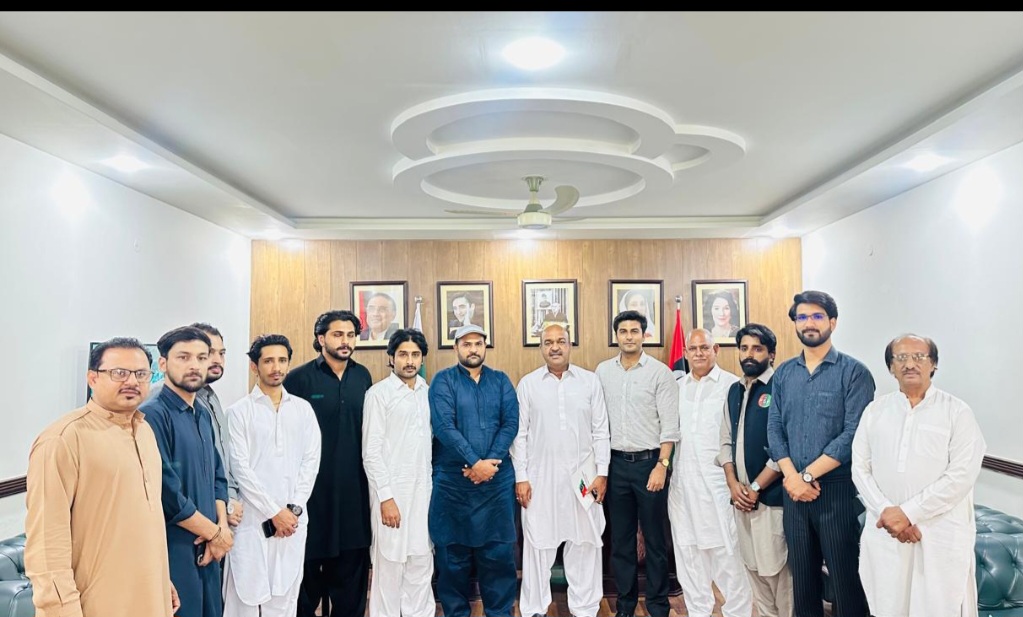
By Junaid Qaiser
In today's digital-dominated political landscape, the Pakistan Peoples Party's decision to restructure its communications apparatus on modern lines represents not merely a timely adjustment but a vital organizational imperative. The recently announced initiative by Central Secretary Information Nadeem Afzal Chan to establish an "Information Strategy and Policy Wing" and systematically rebuild the Information Bureau throughout Punjab—extending all the way to the tehsil level—constitutes a direct response to long-standing institutional deficiencies.
This initiative emerges against a backdrop of institutional self-reflection. For years, the PPP's communication apparatus has suffered from what might charitably be called strategic inconsistency. More accurately, as previous analyses have identified, the party's information infrastructure has been plagued by discontinuity and the subordination of institutional needs to personal ambitions. Each leadership transition has meant resetting priorities and relationships, with promising initiatives launched with fanfare only to wither without sustained commitment.
Related Article: Discontinuity and Personal Ambition Over Party Progress: The Root Causes of the PPP's Information Bureau's Stagnation
The announcement of podcast studios in Islamabad, Lahore, and Multan demonstrates a much-needed embrace of contemporary media formats. Equally significant is Chan's commitment to integrating youth members from People's Youth and PSF Information Wing into "Mother Wings," potentially addressing the generational disconnect that has hampered the party's digital presence. The proposed Sadhi Circles workshops further suggest a genuine interest in nurturing future leadership—a refreshing departure from the personality-centric approach that has dominated the party's communication strategy.
In Pakistan’s fractured media ecosystem, political parties no longer get the luxury of controlling print or broadcast channels through patronage alone. They must win hearts and minds in the digital agora, where content quality and responsiveness count. Nadeem Afzal Chan’s plan is a step toward that reality. The real test now lies in sustaining it—crafting policies that outlast individual tenures, embedding accountability, and nurturing a generation of communicators who view the party’s mission as paramount. If the PPP seizes this moment, it may just rediscover the resonance it desperately needs.
What makes Chan's appointment particularly promising is his combination of traditional political acumen with an understanding of modern communication requirements. His Central Punjab roots position him strategically in a region where the party has struggled to maintain relevance, while his recognition of digital media's importance suggests he may avoid the conceptual blind spots that have hindered previous information secretaries.
However, skepticism remains warranted. The party's history is littered with well-intentioned reorganizations that failed to deliver lasting impact. The fundamental question is whether this latest initiative represents genuine institutional reform or merely another cycle in the revolving door of leadership that has characterized the department. Will the Information Strategy and Policy Wing be designed with sustainability in mind, or will it become another vehicle for personal advancement?
The answer likely depends on whether Chairman Bilawal Bhutto Zardari treats communication as a core strategic function rather than an administrative afterthought. Previous analyses correctly identified that the party chairman must take ownership of these crucial departments to ensure continuity and strategic alignment. Without this high-level commitment, even the most ambitious restructuring plans risk becoming another footnote in the party's long history of discontinued initiatives.
The reorganization to the tehsil level speaks to recognition of a basic political reality: national narratives are reinforced or undermined by local implementation. Building this multi-tiered communication structure could address the disconnect between central messaging and ground realities that has hampered the party's effectiveness. However, such extensive reorganization also creates tremendous challenges in coordination, consistent messaging, and resource allocation.
Perhaps most encouraging is Chan's apparent understanding that effective political communication in the digital age requires both technological infrastructure and human capital development. The parallel focus on establishing physical studio spaces while simultaneously developing young communicators suggests a holistic approach that previous leadership transitions have lacked.
For a party with the historical significance of the PPP, communication is not merely about tactical advantage but about stewardship of a progressive legacy. The party's narrative—rooted in democracy, egalitarianism, and resistance to authoritarianism—requires consistent articulation across traditional and emerging platforms. This latest reorganization represents perhaps the most comprehensive attempt yet to build a communication apparatus equal to that responsibility.
As this initiative unfolds, observers should watch for signs of genuine institutional development rather than personal profile-building. The true measure of success will be whether the Information Bureau develops organizational resilience that transcends individual leadership tenures and integrates seamlessly with broader party objectives. If Chan can transform the bureau from what has too often been a battleground for internal rivalries into a cohesive instrument for party communication, he will have accomplished something his predecessors could not.
In a political landscape increasingly shaped by digital communication, parties that fail to establish robust, transparent, and continuously evolving information systems risk irrelevance. The PPP's latest attempt at communication renaissance offers hope that one of Pakistan's most historic political institutions may yet adapt to this reality—provided the leadership can sustain its commitment beyond the initial announcement and build structures that prioritize institutional effectiveness over individual advancement.

batter than before\