
Editorial: President Zardari's Diplomatic Leadership, Navigating Regional Tensions with Steady Resolve
As Pakistan continues to face regional challenges, President Zardari's balanced and comprehensive leadership approach provides a strong foundation for protecting national interests while pursuing regional peace and stability.
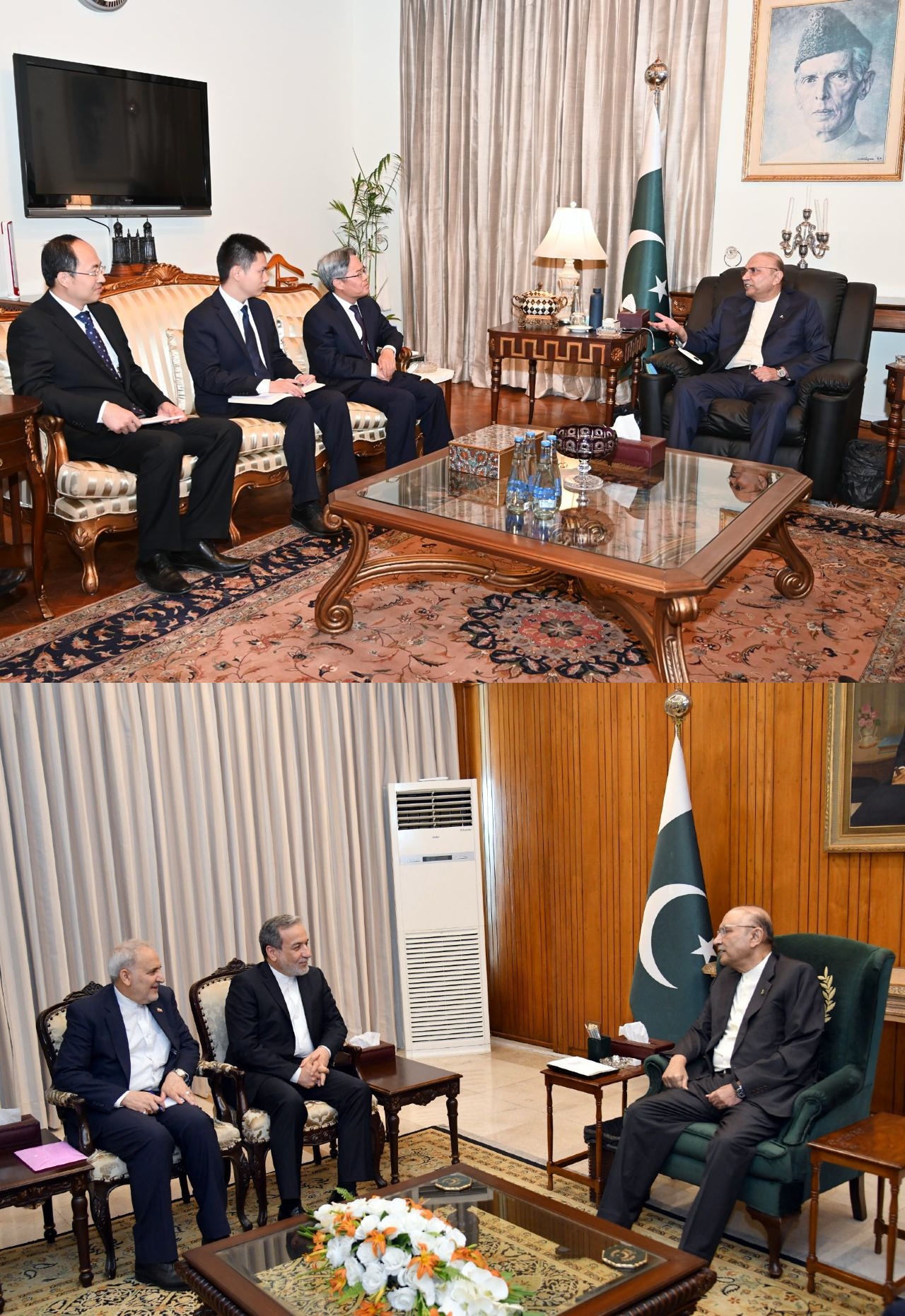
Recent events in South Asia have placed Pakistan at the center of complex diplomatic challenges, with President Asif Ali Zardari demonstrating remarkable leadership during this critical period. The aftermath of the Pahalgam incident has escalated tensions between Pakistan and India, creating a precarious situation that demands skilled diplomacy. Through high-level meetings with representatives from China and Iran, President Zardari has shown a measured, principled approach to regional security while reinforcing important bilateral relationships. This editorial examines these diplomatic engagements and offers an analysis of President Zardari's leadership during this challenging time.
President Zardari's meeting with Chinese Ambassador Jiang Zaidong reflects the exceptional relationship between Pakistan and China—one that has consistently weathered regional and global challenges. The timing of this meeting is particularly significant, occurring during heightened tensions with India following the Pahalgam incident.
President Zardari displayed diplomatic acumen by expressing legitimate concerns about India's "irresponsible and aggressive rhetoric" while emphasizing that such actions threaten regional peace and stability. This balanced approach demonstrates his ability to articulate Pakistan's position firmly without further inflaming tensions.
The Chinese Ambassador's description of the two nations as "ironclad brothers" underscores the depth of this strategic partnership. China's assurance of continued support for Pakistan in securing regional peace represents a significant diplomatic achievement for President Zardari's administration. This endorsement from a major global power strengthens Pakistan's position and provides important moral and strategic backing during a period of regional uncertainty.
The visit of Iranian Foreign Minister Seyyed Abbas Araghchi, undertaken on direct instructions from Iran's Supreme Leader and President, highlights the importance both nations place on their bilateral relationship. President Zardari adeptly emphasized the "historic and brotherly relations" between Pakistan and Iran while stressing collaborative efforts to promote regional peace.
Several important aspects of President Zardari's approach during this meeting deserve recognition:
1. Diplomatic Consistency: The President maintained a consistent message about Pakistan's commitment to dialogue and diplomacy, even while expressing concerns about India's aggressive posture.
2. Economic Vision: Despite security challenges dominating the regional landscape, President Zardari emphasized the need to boost bilateral trade with Iran, demonstrating his ability to balance immediate security concerns with long-term economic interests.
3. Principled Stance on International Issues: Both parties discussed the situation in Gaza and condemned ongoing human rights violations, showing President Zardari's willingness to take principled positions on international humanitarian issues even while managing immediate regional crises.
The Iranian Foreign Minister's expression of understanding regarding Pakistan's position and call for restraint by both sides indicates successful diplomatic communication by President Zardari's administration. Securing such support from an important regional neighbor represents a significant diplomatic achievement.
President Zardari's commendation of Pakistan's security forces for their operations against extremists in Khyber Pakhtunkhwa and South Waziristan reveals another dimension of his leadership. His praise for successful operations against extremists and tribute to those who sacrificed their lives demonstrates his recognition of the crucial role security forces play in maintaining national stability.
By reaffirming the national commitment to continue these operations until terrorism is completely eliminated, President Zardari sends a clear message both domestically and internationally about Pakistan's resolve. His appeal for national unity behind the armed forces shows his understanding that counterterrorism requires not just military action but also political and moral support from the entire nation.
Under President Zardari's leadership, security forces are receiving the political and moral support necessary to fulfill their duties effectively. This commitment is vital not only for national security but also sends a message to the international community about Pakistan's determination to eliminate terrorism.
Analysis of President Zardari's Leadership Style
Several distinct qualities characterize President Zardari's leadership approach during this challenging period:
1. Balanced Diplomacy
President Zardari has shown remarkable skill in balancing firmness with restraint. He clearly articulates Pakistan's concerns about Indian aggression while maintaining a commitment to dialogue and diplomacy. This balance is essential for de-escalating tensions while protecting national interests.
2. Strategic Relationship Management
The President's engagement with both China and Iran demonstrates his understanding of the importance of cultivating strong relationships with regional powers. By securing support from these nations, he strengthens Pakistan's diplomatic position and creates a network of support during a period of heightened tension.
3. Principled Stance on International Issues
Despite facing immediate regional challenges, President Zardari has not hesitated to take principled positions on broader international issues such as the situation in Gaza. This demonstrates a leadership approach that balances pragmatic concerns with moral principles.
4. Comprehensive Security Vision
The President's support for security operations against extremists, coupled with his emphasis on national unity, reveals a comprehensive understanding of security challenges. He recognizes that effective counterterrorism requires not just military action but also political will and national cohesion.
5. Forward-Looking Economic Focus
Even while managing immediate security crises, President Zardari maintains focus on economic development through enhanced trade relationships, particularly with Iran. This forward-looking approach is essential for Pakistan's long-term stability and prosperity.
President Asif Ali Zardari's leadership during this period of regional tension has been characterized by diplomatic skill, principled positions, and a comprehensive approach to national security and economic development. His ability to maintain strong relationships with key regional powers while clearly articulating Pakistan's concerns about Indian aggression demonstrates diplomatic finesse.
The President's unwavering support for security forces engaged in counterterrorism operations, coupled with his call for national unity, reflects an understanding that security challenges require both military action and societal cohesion.
In navigating the complex aftermath of the Pahalgam incident, President Zardari has demonstrated the qualities needed to guide Pakistan through this challenging period: diplomatic skill, principled leadership, and a commitment to both immediate security needs and long-term development goals.
As Pakistan continues to face regional challenges, President Zardari's balanced and comprehensive leadership approach provides a strong foundation for protecting national interests while pursuing regional peace and stability. His administration's ability to secure support from key regional powers like China and Iran while maintaining a clear position on regional tensions represents significant diplomatic achievements that strengthen Pakistan's position on the world stage.
No comments yet.